William Morris Style Digital Papers: A Timeless Design Element for Modern Projects
William Morris Style Digital Papers offer a unique blend of historical artistry and modern functionality. These digital papers, inspired by the Arts and Crafts movement, bring the intricate patterns and rich colors of William Morris to contemporary design workflows. Whether you're working on a creative project, branding initiative, or personal endeavor, these designs provide a versatile foundation that enhances visual appeal and maintains a cohesive aesthetic.
Understanding William Morris Style Digital Papers
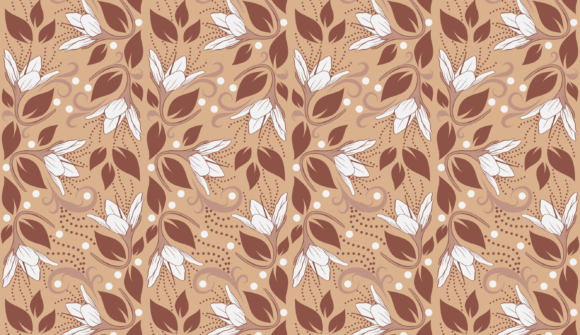
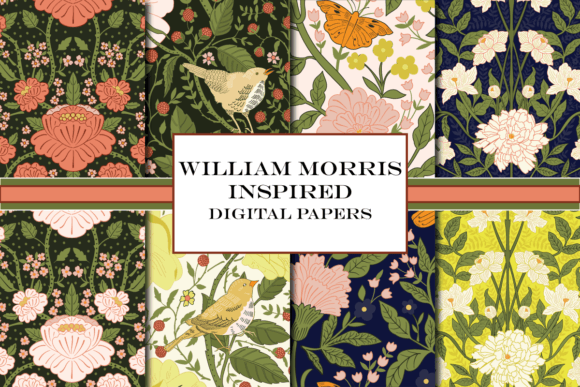
William Morris was a key figure in the 19th-century Arts and Crafts movement, known for his intricate floral and nature-inspired patterns. Today, these designs are available as digital papers, offering seamless integration into various projects. This bundle includes eight digital papers and corresponding seamless patterns, each designed to evoke the craftsmanship and beauty of the original Morris prints.
The colorways included in this collection are carefully chosen to reflect the rich, earthy tones associated with the Arts and Crafts era. From deep emerald greens to warm terracotta hues, these colors provide a timeless look that complements both traditional and modern aesthetics.
Integrating William Morris Style Digital Papers into Your Workflow
Incorporating William Morris Style Digital Papers into your workflow can be done at various stages of a project. Before starting a new design, using these papers as background elements can help establish a visual theme. During the creation process, they serve as a base layer that allows other design elements to stand out while maintaining a cohesive look. After completing a project, these papers can be used for final touches, such as adding texture or depth to printed materials.
These digital papers are compatible with most graphic design software, including Adobe Photoshop, Illustrator, and Canva. Their seamless pattern feature ensures that they can be tiled without visible seams, making them ideal for large-format printing or digital backgrounds.
Practical Implementation Tips
- Preparation: Organize your digital assets by categorizing them based on color schemes and design themes. This helps streamline the selection process when working on multiple projects.
- Compatibility: Ensure that your design software supports high-resolution image files. William Morris Style Digital Papers are available in various resolutions to suit different needs.
- Usability: Use layers effectively in your design software to separate the background paper from other elements. This makes it easier to adjust opacity, apply filters, or make edits without affecting other parts of the design.
When working on a project that requires consistency across multiple platforms, such as print and digital media, consider using the same colorway throughout. This creates a unified brand identity and reinforces the visual message of your work.
Use Cases for William Morris Style Digital Papers
William Morris Style Digital Papers are not limited to artistic applications; they can also be used in professional settings. For instance, small business owners can incorporate these designs into marketing materials, packaging, or website backgrounds to create a distinctive brand presence. Educators might use them in classroom materials or presentations to add a decorative touch that engages students.
Freelancers and content creators can benefit from using these papers in blog posts, social media graphics, or video thumbnails. The intricate patterns add visual interest without overwhelming the content, making them an excellent choice for platforms like Instagram, Pinterest, or YouTube.
For marketers, these digital papers can enhance the visual appeal of email campaigns, brochures, or promotional flyers. The rich colors and detailed patterns draw attention and create a sense of quality that resonates with audiences.
Workflow Examples
- Designing a Brand Identity: Start by selecting a William Morris Style Digital Paper as the background for your logo or brand collateral. This sets the tone for the entire design and ensures a consistent look across all materials.
- Creating a Presentation: Use these papers as slide backgrounds in PowerPoint or Keynote. They add a touch of elegance and sophistication, making your presentation more visually engaging.
- Developing Marketing Materials: Incorporate these patterns into banners, posters, or flyers. Their versatility allows them to be adapted to different formats while maintaining a cohesive design language.
By integrating these digital papers into your workflow, you can elevate the visual quality of your projects while staying true to the timeless aesthetic of William Morris's designs.
Long-Term Use and Quality Control
When considering long-term use of William Morris Style Digital Papers, it's important to maintain a consistent approach to their application. Regularly reviewing your design choices ensures that the visual identity remains aligned with your goals. Additionally, keeping your digital asset library organized helps prevent duplication and makes it easier to access the right resources when needed.
Quality control is another essential aspect of using these digital papers. Always preview your designs on different devices and screen sizes to ensure that the patterns display correctly. Testing print outputs is equally important, especially if you plan to use these papers for physical materials.
As your projects evolve, so too should your approach to using these digital papers. Experimenting with different color combinations or layering techniques can lead to new and exciting design possibilities. Staying open to innovation while respecting the integrity of the original designs ensures that your work remains both authentic and contemporary.
Whether you're a professional designer or a hobbyist, William Morris Style Digital Papers offer a valuable resource for enhancing your creative output. By understanding how to integrate these designs into your workflow, you can achieve a balance between historical inspiration and modern functionality.