Pattern Collection: Strategic Use of Abstract Black and White Patterns in Graphic Design
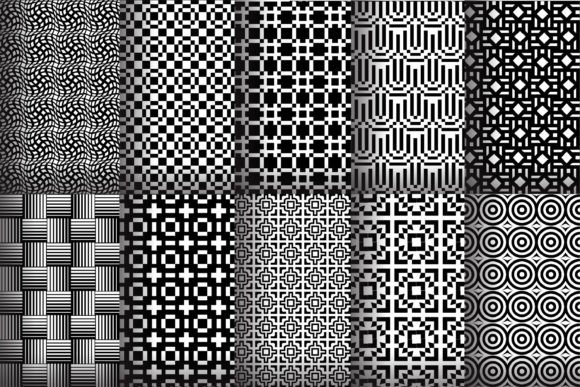
In the world of graphic design, Pattern Collection is more than just an aesthetic choice—it's a strategic tool that can enhance visual communication, reinforce brand identity, and support creative workflows. When applied thoughtfully, abstract black and white patterns can serve as powerful elements in branding, packaging, web design, and print materials. This article explores how to leverage Pattern Collection effectively, focusing on monochrome mosaic pattern sets, abstract geometric designs with repeating elements, and the value of high-resolution JPEGs and EPS vector files.
The Value of Pattern Collection in Modern Design
A Pattern Collection typically includes a curated set of repeatable graphic elements designed for consistent use across different platforms and media. These collections often come with a variety of formats, such as high-resolution JPEGs for digital use and EPS vector files for scalable print applications. The inclusion of 10 EPS vector files and 10 JPEG images provides designers with flexibility and versatility, ensuring that their visual assets remain crisp and clear regardless of the medium.
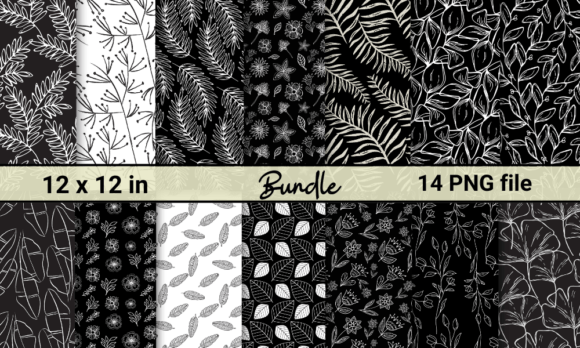
Abstract black and white patterns, in particular, offer a unique advantage. They eliminate color distractions, allowing the focus to remain on form, texture, and structure. This makes them ideal for minimalist designs, where clarity and simplicity are key. Monochrome mosaic pattern sets can be used to create depth, contrast, and visual interest without overwhelming the viewer.
Strategic Applications of Pattern Collection
When integrated into a design strategy, Pattern Collection can support multiple objectives:
- Branding Consistency: Repeating patterns help maintain a cohesive visual identity across various touchpoints, from logos to packaging.
- Enhanced User Experience: Subtle background patterns can guide the eye, separate content sections, and improve readability.
- Creative Inspiration: A well-curated collection can spark new ideas and provide a foundation for experimentation.
- Operational Efficiency: Ready-to-use pattern files save time and reduce the need for custom design work, especially for small teams or solo creators.
For example, a small business owner looking to rebrand their website might use a monochrome mosaic pattern as a background for their hero section. This not only adds visual appeal but also reinforces a clean, professional image that aligns with their brand values.
Planning and Implementation: Best Practices
Before incorporating a Pattern Collection into your design workflow, it’s important to consider several factors:
- Define Your Goals: What do you want to achieve with the pattern? Is it to enhance aesthetics, improve usability, or support a specific message?
- Understand Your Audience: How will your target audience perceive the pattern? Will it resonate with their preferences and expectations?
- Evaluate Context: Where will the pattern be used? Digital screens have different requirements compared to print media.
- Test and Refine: Start with a small implementation and gather feedback before scaling up.
Let’s say you’re designing a brochure for a luxury skincare brand. A subtle abstract geometric pattern with repeating elements could add sophistication and elegance. However, if the pattern is too busy, it may detract from the premium feel you're trying to convey. Testing different variations and seeking input from stakeholders can help ensure the final design meets both functional and aesthetic goals.
Choosing the Right Pattern Collection
Not all Pattern Collections are created equal. When selecting a set, consider the following:
- Quality of Files: Ensure that the JPEGs are high resolution and the EPS files are editable and scalable.
- Relevance to Your Project: Choose patterns that align with your brand’s tone, industry, and intended use.
- Flexibility: Opt for collections that offer a range of styles and variations to accommodate different design needs.
- Licensing Terms: Verify that you have the right to use the patterns for your intended purpose, whether it's personal, commercial, or editorial.
For instance, a marketing team launching a new product line might choose a Pattern Collection that includes both bold and subtle geometric designs. This allows them to use the same set of patterns across different campaigns while maintaining a consistent yet dynamic visual presence.
Risks of Using Pattern Collection Without Strategy
While Pattern Collection offers numerous benefits, it also carries risks when used without careful planning. One common pitfall is overusing patterns, which can lead to visual clutter and distract from the main message. Another risk is choosing patterns that don’t align with the project’s goals or audience, resulting in a disjointed or unprofessional appearance.
To avoid these issues, it’s essential to approach Pattern Collection with intentionality. Begin by defining clear objectives and understanding how each pattern contributes to the overall design. Consider the context in which the pattern will be used and test it in real-world scenarios before finalizing your choices.
Maximizing Long-Term Value
Pattern Collection isn’t just about immediate results—it’s also about long-term value. A well-chosen collection can be reused across multiple projects, reducing the need for repetitive design work and saving time and resources. Additionally, patterns can evolve with your brand, adapting to new trends while maintaining a sense of continuity.
For example, a freelancer who frequently works on client websites might invest in a versatile Pattern Collection that can be easily customized and repurposed for different clients. This not only streamlines their workflow but also ensures a consistent quality of output across all projects.
Ultimately, the success of Pattern Collection depends on how strategically it is applied. By considering your goals, audience, and context, you can harness the power of abstract black and white patterns to create impactful, memorable, and effective designs.