Understanding Green and Blue Plaid Vector Patterns: A Guide for Designers and Creatives
What Are Green and Blue Plaid Vector Patterns?
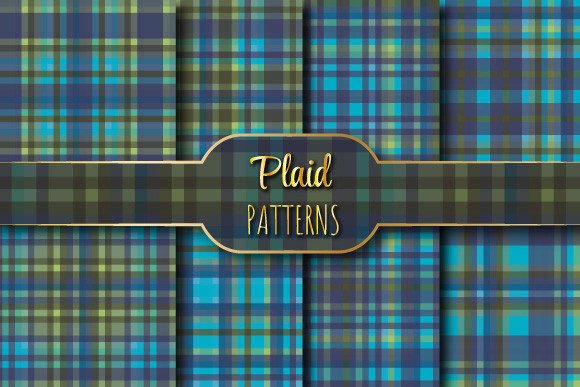
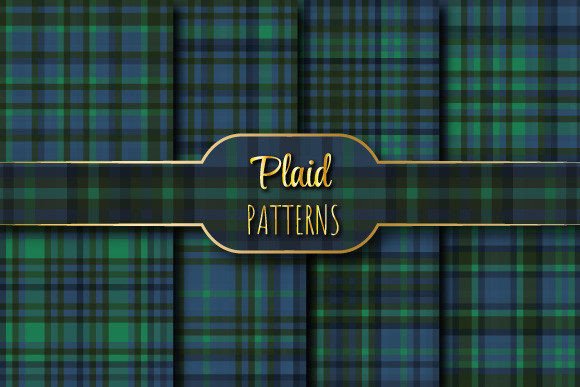
Green and blue plaid vector patterns are digital designs that combine the traditional texture of plaid with a modern, scalable format. These patterns are often used in graphic design, web development, and print media to add visual interest and consistency across various platforms.
Plaid is a textile pattern consisting of crisscrossed horizontal and vertical lines, forming small squares or rectangles. When rendered in green and blue tones, it can evoke feelings of nature, calmness, and professionalism. The use of these colors together creates a harmonious and visually appealing design element that can be adapted to many different contexts.
The Technical Specifications
The files described in this article are high-resolution vector graphics. Each file measures 12 x 12 inches at 3600 x 3600 pixels, which equates to a resolution of 300dpi. This level of detail ensures that the patterns remain crisp and clear when printed or displayed on high-resolution screens.
- File Format: EPS 10 – This is a widely supported vector format that maintains quality at any size.
- Zip File Contents: One EPS file and eight JPEG files. The JPEGs are likely pre-rendered versions of the vector pattern for quick use in projects where vector editing isn't necessary.
Why Use Green and Blue Plaid Patterns?
Designers choose green and blue plaid patterns for their versatility and aesthetic appeal. These colors are commonly associated with nature, growth, trust, and stability. As such, they are popular choices for branding, packaging, and interior design.
The plaid pattern adds texture and depth to a design without overwhelming the viewer. It can be used as a background, a decorative element, or even as part of a larger composition. Because it's a repeating pattern, it's also ideal for creating seamless designs that extend across large areas without visible seams.
Applications in Modern Design
In the digital world, green and blue plaid patterns can be found in everything from website backgrounds to mobile app interfaces. Their subtle yet distinctive look makes them suitable for both minimalist and more complex design schemes.
- Web Design: Used as a background for headers, banners, or entire sections of a website.
- Print Media: Ideal for brochures, business cards, and packaging materials where high-quality visuals are essential.
- Interior Design: Applied to wallpaper, fabric, or furniture to create a cohesive and stylish environment.
How to Work with These Files
Working with vector files like EPS 10 allows for maximum flexibility. You can scale the design up or down without losing quality, making it suitable for both small and large-scale projects.
If you're using the JPEG files, keep in mind that they are raster images and cannot be scaled beyond their original size without losing clarity. However, they are excellent for quick use in projects where vector editing is not required.
Editing and Customizing the Pattern
For those who want to modify the pattern, using an EPS file in software like Adobe Illustrator or Inkscape is recommended. These programs allow for precise adjustments to color, size, and layout. You can change the green and blue tones to match your brand’s color palette or adjust the spacing between the plaid lines for a different visual effect.
When working with the pattern, it's important to ensure that the repetition is seamless. This means that the edges of the pattern should align perfectly when tiled, so there are no visible gaps or overlaps.
Common Misconceptions About Plaid Patterns
One common misconception is that plaid patterns are outdated or only suitable for certain types of designs. In reality, plaid has evolved over time and can be adapted to fit modern aesthetics. By choosing the right colors and adjusting the pattern's scale, plaid can look fresh and contemporary.
Another misunderstanding is that all plaid patterns are the same. In truth, plaid comes in many variations, including different sizes, colors, and arrangements. The key is to find a version that complements the overall design and serves its intended purpose.
Choosing the Right Color Scheme
While green and blue are a classic combination, they may not be the best choice for every project. It's important to consider the context in which the pattern will be used. For example, a deep forest green paired with navy blue might be perfect for a luxury brand, while lighter shades could work better for a more casual or youthful brand identity.
Experimenting with different color combinations can help you discover new ways to use plaid in your designs. Tools like Adobe Color or online palettes can assist in finding complementary colors that enhance the visual impact of the pattern.
The Role of Vector Graphics in Design
Vector graphics play a crucial role in modern design because they offer scalability, precision, and flexibility. Unlike raster images, which are made up of pixels, vector graphics use mathematical equations to define shapes and lines. This makes them ideal for logos, illustrations, and patterns that need to be used in various formats and sizes.
The EPS 10 file format is particularly useful for professional printing and publishing. It supports transparency, gradients, and complex shapes, allowing for high-quality output on both digital and physical media.
Benefits of Using Vector Files
- Scalability: Vector files can be resized without losing quality, making them suitable for both small and large-scale projects.
- Resolution Independence: Vectors don’t rely on pixel density, so they look sharp on any screen or print medium.
- Editable Elements: You can easily modify individual components of a vector design, such as changing colors or adjusting line weights.
Conclusion: Embracing Green and Blue Plaid in Your Projects
Green and blue plaid vector patterns offer a unique blend of tradition and modernity that can enhance a wide range of design projects. Whether you're working on a website, a marketing campaign, or a print piece, these patterns provide a versatile and visually appealing option.
By understanding the technical specifications, applications, and customization options of these files, you can make informed decisions about how to use them in your work. Remember to experiment with different color schemes and layouts to find the perfect fit for your project.
As you continue to explore the world of design, keep in mind that the right pattern can make all the difference in capturing attention and conveying the right message. With the right tools and knowledge, you can create stunning designs that stand out in today's competitive market.